
Are Driveshafts Universal?
Aug 5, 2024
The driveshaft is a crucial component of any vehicle, playing a vital role in the transmission of power from the engine to the wheels. Despite its importance, the driveshaft often remains an overlooked aspect of vehicle mechanics for many drivers. This blog aims to shed light on driveshafts, addressing whether they are universal, exploring their functions, and providing insights into their variability across different vehicles. For those in the UK and beyond, understanding driveshafts can enhance your knowledge of automotive mechanics and help you make informed decisions when it comes to vehicle maintenance and repairs.
Understanding the Driveshaft
Before delving into the universality of driveshafts, it is essential to understand what a driveshaft is and its role in a vehicle. A driveshaft, also known as a propeller shaft, is a rotating component that transmits torque from the engine to the wheels. It is typically used in vehicles with rear-wheel drive, all-wheel drive, or four-wheel drive configurations. The driveshaft connects the transmission to the differential, enabling the transfer of power necessary for the wheels to rotate and propel the vehicle forward. Driveshafts are designed to handle the varying angles and movements that occur as a vehicle travels over different terrains. They consist of several components, including universal joints, slip yokes, and couplings, which work together to maintain smooth power transmission and accommodate changes in length as the suspension system moves.
The Myth of Universality
A common misconception is that driveshafts are universal, meaning they can be interchanged between different vehicles without any issues. However, this is not the case. Driveshafts are not universally compatible across all vehicles due to several factors, including vehicle design, drivetrain configuration, and specific engineering requirements. Each vehicle model has unique specifications that dictate the design and dimensions of its driveshaft. Factors such as wheelbase length, engine placement, and suspension setup all influence the driveshaft’s design. As a result, driveshafts are often custom-made to fit specific vehicles, ensuring optimal performance and safety.
Factors Affecting Driveshaft Compatibility
Several factors affect the compatibility of driveshafts across different vehicles. Understanding these factors is crucial when considering whether a driveshaft can be interchanged or replaced with one from another vehicle. The length of the driveshaft is one of the most critical factors influencing compatibility. Driveshafts must be the correct length to connect the transmission to the differential properly. A driveshaft that is too long or too short can cause issues with alignment and lead to excessive vibration, which can damage the drivetrain components. Another factor is the configuration of the universal joints. Universal joints allow the driveshaft to flex and accommodate changes in angles as the vehicle moves. Different vehicles may use different types of universal joints, affecting the driveshaft’s compatibility. Additionally, the design of the yokes and flanges, which connect the driveshaft to the transmission and differential, can vary between vehicles. The material used to manufacture the driveshaft can also affect compatibility. Driveshafts are typically made from steel, aluminium, or carbon fibre, each offering different benefits and characteristics. The choice of material can influence the driveshaft’s weight, strength, and ability to handle high torque loads.
Custom Driveshafts and Modifications
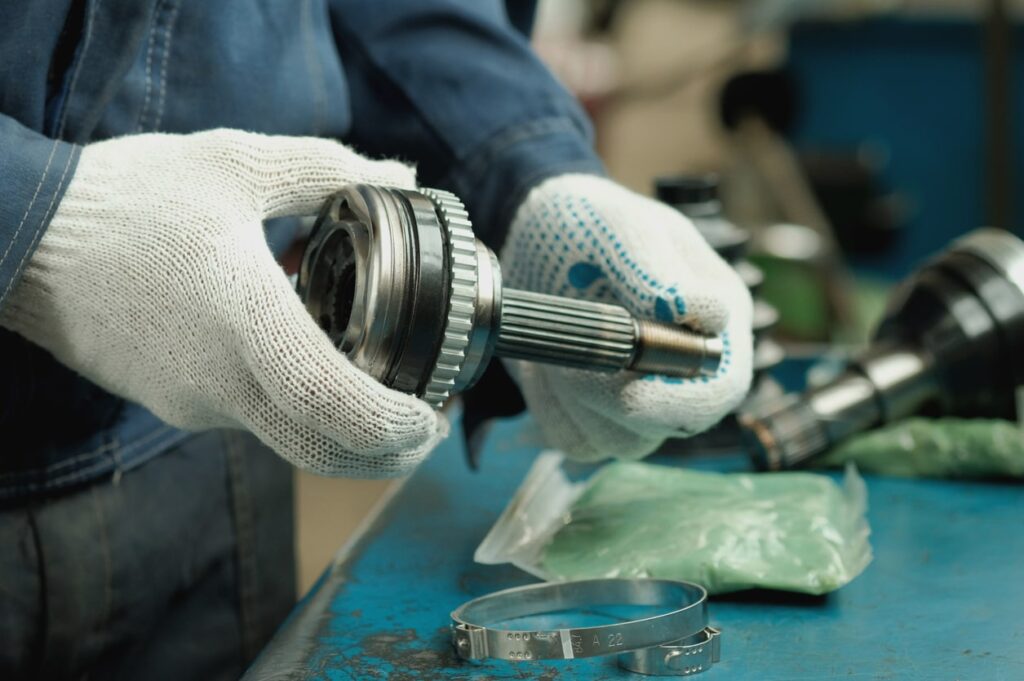
For those looking to replace or upgrade their driveshaft, custom driveshafts and modifications offer a solution to compatibility issues. Custom driveshafts are designed to fit specific vehicles, taking into account all the factors mentioned earlier. They can be tailored to meet specific performance requirements, such as increased strength or reduced weight. Modifying a driveshaft can also enhance a vehicle’s performance. For example, upgrading to a driveshaft made from a lighter material, such as aluminium or carbon fibre, can reduce rotational mass and improve acceleration. Additionally, replacing worn or damaged universal joints with high-performance alternatives can enhance the driveshaft’s durability and reliability. When considering custom driveshafts or modifications, it is essential to consult with experienced professionals who can ensure that the driveshaft is designed and installed correctly. Proper installation is crucial to maintaining the vehicle’s performance and safety, as an improperly installed driveshaft can lead to severe damage or even accidents.
Common Driveshaft Issues
Understanding common driveshaft issues can help drivers identify problems early and prevent costly repairs. Driveshafts are subject to significant stress and wear over time, and several issues can arise if they are not properly maintained. Vibration is one of the most common issues associated with driveshafts. Excessive vibration can indicate an imbalance in the driveshaft or misalignment of its components. This can be caused by worn universal joints, damaged slip yokes, or a bent driveshaft. Ignoring vibration issues can lead to further damage to the drivetrain and affect the vehicle’s overall performance. Another common issue is noise, which can indicate a problem with the driveshaft’s components. Clunking or clicking noises can be a sign of worn or damaged universal joints, while grinding noises may indicate a lack of lubrication or damage to the slip yoke. Addressing these issues promptly can prevent further damage and ensure the driveshaft continues to function correctly. In some cases, the driveshaft may become physically damaged due to impacts or accidents. Dents, bends, or cracks in the driveshaft can compromise its structural integrity and lead to failure. Regular inspections and maintenance can help identify and address these issues before they escalate.
Driveshaft Maintenance and Care
Proper maintenance and care are essential to ensuring the longevity and performance of a driveshaft. Regular inspections can help identify potential issues early and prevent costly repairs or replacements. Lubrication is a crucial aspect of driveshaft maintenance. Universal joints and slip yokes should be regularly lubricated to prevent wear and reduce friction. This can help extend the life of the driveshaft and ensure smooth power transmission. Regularly inspecting the driveshaft for signs of wear or damage is also important. Look for any visible damage, such as dents, cracks, or bends, and check for signs of wear on the universal joints and slip yokes. If any issues are identified, they should be addressed promptly by a qualified professional. Keeping the driveshaft clean and free from debris can also help prevent damage. Dirt and debris can accumulate on the driveshaft and its components, leading to increased wear and reduced performance. Regularly cleaning the driveshaft and its components can help maintain their functionality and longevity.

Driveshafts in Performance Vehicles
In performance vehicles, driveshafts play an even more critical role due to the increased power and torque generated by high-performance engines. Performance driveshafts are designed to handle these increased loads, providing improved strength and durability. One common upgrade for performance vehicles is replacing the standard driveshaft with a lightweight alternative made from materials such as aluminium or carbon fibre. These materials offer reduced rotational mass, allowing for quicker acceleration and improved overall performance. Additionally, high-performance universal joints and yokes can enhance the driveshaft’s durability and reliability under extreme conditions. Performance driveshafts are often custom-designed to meet the specific requirements of the vehicle, taking into account factors such as engine power, drivetrain configuration, and intended use. This ensures optimal performance and safety, allowing drivers to fully enjoy the capabilities of their high-performance vehicles.
Driveshafts in Off-Road Vehicles
Off-road vehicles, such as 4x4s and SUVs, often require specialised driveshafts to handle the demands of rough and uneven terrain. Off-road driveshafts are designed to withstand the increased stress and strain associated with off-road driving, providing reliable power transmission in challenging conditions. One of the key considerations for off-road driveshafts is increased strength and durability. Off-road driveshafts are typically made from high-strength materials, such as chromoly steel, to withstand the rigours of off-road driving. Additionally, heavy-duty universal joints and slip yokes are often used to enhance the driveshaft’s reliability. Off-road driveshafts may also be designed with increased articulation to accommodate the greater range of movement experienced when driving over rough terrain. This can help prevent binding and ensure smooth power transmission, even in challenging conditions. For those who frequently take their vehicles off-road, investing in a specialised off-road driveshaft can enhance the vehicle’s performance and reliability, allowing for a more enjoyable and capable off-road experience.
The Complexity of Driveshaft Compatibility
While driveshafts play a crucial role in the performance and functionality of a vehicle, they are not universal components that can be easily interchanged between different vehicles. Driveshaft compatibility is influenced by several factors, including vehicle design, drivetrain configuration, and specific engineering requirements. Understanding these factors and the role of the driveshaft in your vehicle can help you make informed decisions when it comes to maintenance, repairs, and upgrades. Whether you are considering a custom driveshaft, addressing common issues, or exploring performance or off-road enhancements, it is essential to consult with experienced professionals to ensure optimal performance and safety. By paying attention to driveshaft maintenance and care, drivers can enhance their vehicle’s performance, reliability, and longevity. Whether you are navigating the roads of the UK or exploring off-road trails, a well-maintained driveshaft is essential to ensuring a smooth and enjoyable driving experience.
Contact Driveshaft UK for more information!
To find out more, or for high quality driveshaft replacements, please don’t hesitate to reach out to our professional Driveshaft UK team today! As well as providing quality drive shafts, we also have power steering components, brake callipers, and prop shafts. We’re only a phone call away so don’t delay!