
Everything You Need to Know About Mini Driveshafts
Apr 2, 2025
The Mini is one of the most iconic cars to ever hit UK roads. From the legendary Classic Mini of the 1960s to the sporty Mini Cooper S and the modern-day Countryman, Minis are a symbol of style, innovation, and British motoring heritage. But no matter which version you drive, every Mini relies on one crucial component to transfer power to the wheels — the driveshaft. At Driveshaft UK, we specialise in supplying high-quality, reliable replacement driveshafts for every generation of the Mini, including the Classic Mini driveshafts that continue to be sought after by enthusiasts and restorers. This blog explores everything you need to know about Mini driveshafts — what they do, how to spot when something’s gone wrong, and how to find the right replacement. Whether you’re running a restored Mini 1275 GT or a modern F56 Cooper S, understanding your driveshafts is essential to keeping your Mini driving smoothly.
What Is a Driveshaft and Why Is It Important?
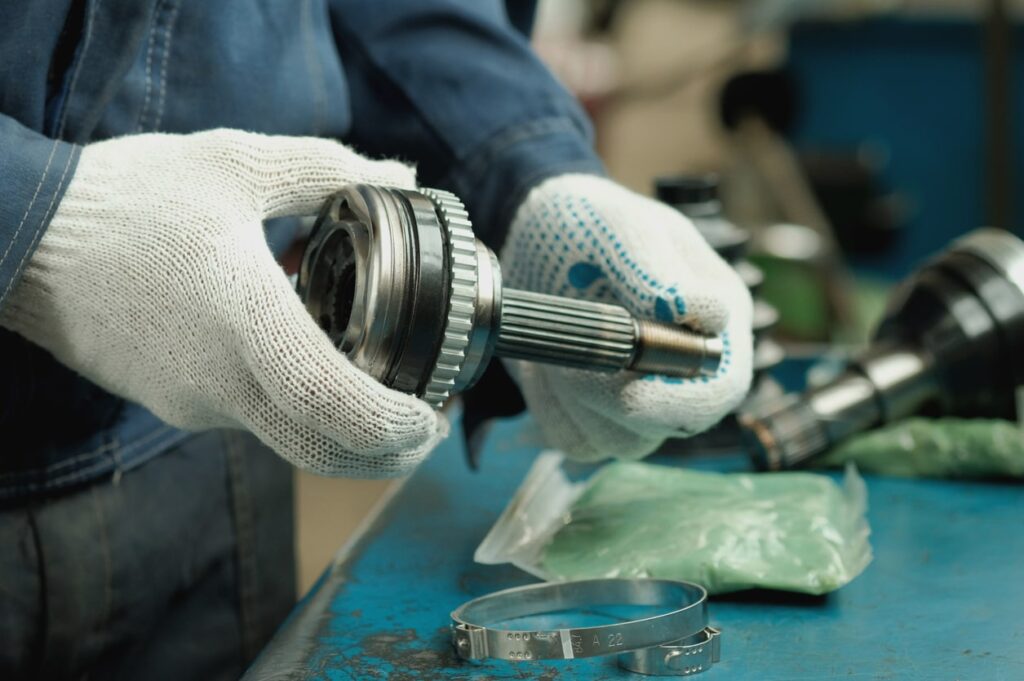
A driveshaft is a mechanical component that transfers torque from the gearbox to the wheels. In front-wheel-drive Minis (which includes almost every Mini ever made), the driveshafts are positioned between the transaxle (gearbox) and the front hubs. Each driveshaft is fitted with two CV joints (constant velocity joints), which allow for smooth power delivery even when the wheels are turning or moving up and down over uneven surfaces. Without these joints, your Mini wouldn’t be able to steer or handle road surfaces while maintaining power to the wheels. In short, your driveshafts are vital to your car’s ability to move forward — and move safely. When they fail, you may experience anything from mild vibrations to complete loss of drive.
Classic Mini Driveshafts: A Piece of British Engineering History
If you’re the proud owner of a Classic Mini, you’ll already know how unique these vehicles are — and that includes their drivetrain layout. Unlike modern BMW-based Minis, Classic Minis have a truly compact, old-school front-wheel-drive setup that shares oil between the engine and gearbox. Classic Mini driveshafts tend to be simpler than modern units but still face wear and tear over time. The original Mini driveshafts are shorter and stiffer than many newer designs, with simpler CV joints. Over the years, owners may encounter issues like worn splines, cracked CV boots, or play in the universal joints. At Driveshaft UK, we stock and supply Classic Mini driveshafts for all variations, including the Mini 850, Mini 1000, Mini Clubman, and even special editions like the Cooper S Mk1. Whether you’re restoring a concours-level classic or just keeping a daily driver on the road, we can help source the right driveshaft with OE-quality fitment and long-lasting durability.
Common Signs of a Faulty Driveshaft in a Mini
Driveshaft issues often come with some pretty clear warning signs. If you drive a Mini — whether it’s a Classic or a modern F56 Cooper S — here are some of the most common symptoms to watch for:
- Clicking or popping when turning: A worn outer CV joint often causes a noticeable clicking noise during low-speed turns.
- Vibrations under acceleration: This is a common sign of a failing driveshaft, especially if the CV joint or shaft itself is out of balance or worn.
- Clunking noises during gear changes: If you hear a clunk when accelerating or lifting off the throttle, it could be worn inner CV joints or excess play in the driveshaft.
- Grease on the wheel arch or suspension: Split CV boots leak grease, and without lubrication, the joint will eventually fail.
- Loss of drive: In extreme cases, a snapped driveshaft will leave the car unable to move, even though the engine and gearbox seem fine.
Early diagnosis is key. If you notice any of the above, it’s best to have your Mini checked before it leads to a breakdown.
Driveshaft Differences Across Mini Models
While they may share the same badge, there’s a world of difference between the driveshafts used in various Mini generations. Here’s a breakdown of how driveshaft design has evolved:
Classic Mini (1959–2000)
These driveshafts are relatively short and simple, often using Hardy Spicer or rubber coupling joints depending on the year. CV joint upgrades became common later in production, especially in sportier models like the 1275 GT and Cooper S.
Mini R50 / R53 / R56 (2001–2014)
With BMW’s takeover, the Mini evolved to use more advanced front driveshafts with tripod inner joints and outer CV joints. These later Minis had varying shaft lengths depending on the engine type and whether the car was fitted with a manual or automatic transmission.
Mini F55 / F56 / F57 (2014–present)
These models continue with front-wheel-drive layouts but introduced more advanced driveshafts with refined CV joints and high-speed balancing. There are also specific shafts for models with automatic, dual-clutch, or all-wheel drive systems (such as the ALL4 Countryman).
Mini Countryman and Clubman ALL4
These feature rear driveshafts in addition to front ones, as power is distributed to all four wheels. These rear shafts also need to be replaced periodically, especially if the car is used in rugged conditions or modified for performance.
At Driveshaft UK, we carry driveshafts for all of these models and more — including diesel variants and high-performance JCW versions.
Reconditioned vs. New Mini Driveshafts
When it comes to replacing your Mini’s driveshaft, you’ve got a choice: new or reconditioned. Each has its own benefits.
New Driveshafts
Brand-new driveshafts are built to the latest specifications and come with all-new components. They’re the best option for newer Minis, high-mileage vehicles, or anyone who wants peace of mind with the longest possible lifespan. All new driveshafts from Driveshaft UK come with a 12-month warranty and are made to OE specification or higher.
Reconditioned Driveshafts
Reconditioned units are a cost-effective and environmentally friendly alternative, ideal for Classic Minis and older R-series cars. At Driveshaft UK, each reconditioned shaft is stripped down, cleaned, and rebuilt with new CV joints, boots, and grease. They’re tested for balance and durability, giving you performance you can trust — at a lower price point. Our reconditioned Classic Mini driveshafts are especially popular with enthusiasts, as they preserve original design while refreshing worn components.
Mini Driveshaft Fitting: DIY or Garage Job?
Replacing a driveshaft on a Mini is a moderately technical job. For a Classic Mini, the process is more accessible for DIY mechanics, especially those familiar with older British cars. However, special tools may be needed to remove the old joints and torque the new shaft correctly. For modern Minis, particularly those with ABS sensors or automatic transmissions, it’s often best to leave the fitting to a professional garage. Driveshaft replacement involves lifting the vehicle safely, removing suspension components, and checking gearbox seals, CV joint clips, and alignment on refit. If you’re unsure, Driveshaft UK can help. We’re always happy to provide fitting guidance or recommend trusted local garages across the UK who can install the part for you.
Why Choose Driveshaft UK for Your Mini?
At Driveshaft UK, we’re more than just a parts supplier — we’re specialists. With years of experience supplying driveshafts for every type of Mini, we understand the subtle differences between models, years, and engines.
We offer:
- Driveshafts for all Mini models, from Classic to F56
- Brand new and reconditioned options
- 12-month warranty on all driveshafts
- Fast, UK-wide delivery
- Expert advice to match the right part to your vehicle
- Support for trade customers, garages, and enthusiasts
Whether you’re restoring a Mk1 Mini Cooper or repairing your daily driver, you can count on Driveshaft UK for quality, affordability, and personal service.
Frequently Asked Questions About Mini Driveshafts
Can I still get driveshafts for a Classic Mini?
Yes! We stock reconditioned and new Classic Mini driveshafts for all popular models. Just let us know your year and engine size and we’ll match the part.
How long should a driveshaft last on a Mini?
Typically 80,000 to 100,000 miles, but this varies depending on driving style and road conditions. CV boots should be checked regularly, as splits can lead to premature wear.
Are Mini Cooper S driveshafts different from standard Cooper or One models?
Yes – the Cooper S often uses beefier shafts due to its turbocharged engine. It’s important to order the correct part for your engine type and transmission.
What if I’m not sure which driveshaft I need?
No problem. Just give us your registration or VIN, and we’ll do the rest.
Final Thoughts
Whether you’re tackling a restoration project or just trying to fix that strange clicking noise on your daily driver, understanding your Mini’s driveshaft is crucial. From the unmistakable charm of the Classic Mini driveshafts to the precision of modern BMW-engineered units, each plays a key role in keeping your Mini running like it should. At Driveshaft UK, we’re proud to supply the parts that keep British motoring icons on the road — both old and new. With expert support, fast delivery, and quality parts you can trust, there’s no better place to source your next Mini driveshaft.
Contact Driveshaft UK today for all your driveshaft needs, including Volkswagen, Volvo and many more .