
How Long Does It Take to Change a Driveshaft?
Jul 9, 2025
When you think about the parts that keep your car moving, the driveshaft probably isn’t the first thing that comes to mind. Yet, it’s a vital piece of engineering that quietly does its job every time you turn the key. If you’ve been told your driveshaft needs replacing, it’s only natural to wonder how long it will take, how much disruption it will cause, and whether it’s something you can tackle yourself or should leave to the professionals. At Driveshaft UK, we help drivers up and down the country keep their vehicles safe and reliable by supplying high-quality driveshafts for Toyota models and all other makes, and we know exactly what goes into fitting one. So, if you’re curious about how long it takes to change a driveshaft — and why it matters — read on.
What Does a Driveshaft Do in Your Car?
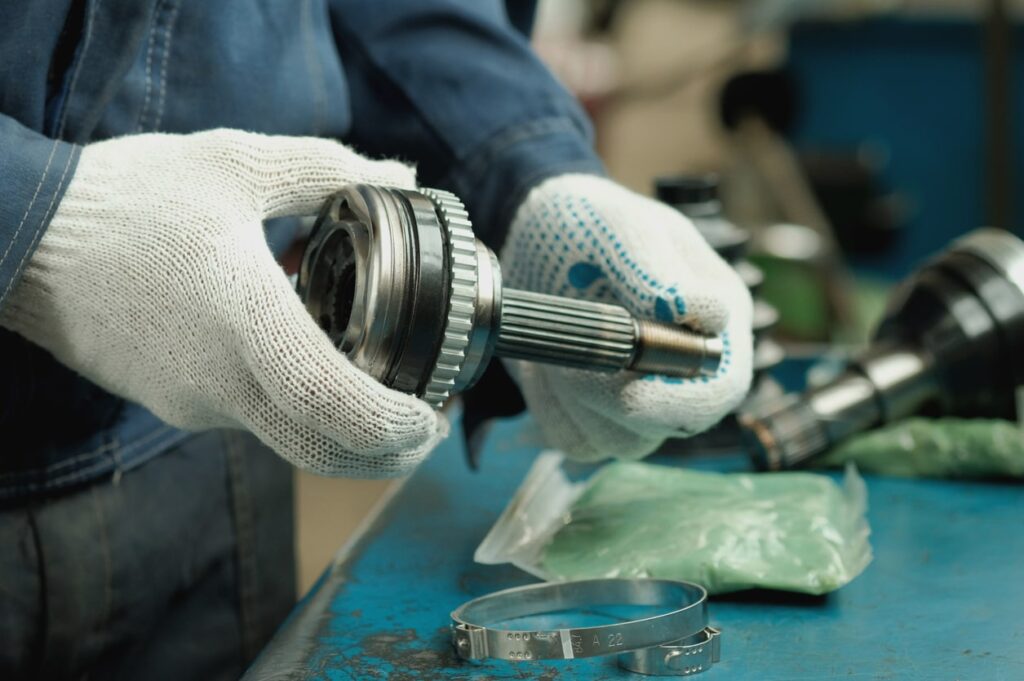
Before diving into timings, it helps to understand what a driveshaft actually does. In the simplest terms, a driveshaft is the crucial link that transfers power from your gearbox or differential to your wheels. In front-wheel-drive cars, such as many popular Toyota models like the Yaris or Corolla, the driveshafts are usually shorter and often referred to as half shafts, connecting the transaxle to each front wheel. In rear-wheel-drive or all-wheel-drive vehicles, the driveshaft can be longer, running the length of the vehicle to connect the gearbox to the rear differential, or even split into multiple sections with centre bearings and universal joints. Because it works under constant stress, the driveshaft is designed to be durable, but it isn’t immune to wear. Over time, CV joints can fail, boots can split, and bearings can wear out — all of which can lead to vibrations, noises, or in the worst cases, loss of drive altogether.
Why Would a Driveshaft Need Changing?
There are plenty of reasons a driveshaft might need replacing. Everyday driving can put a surprising amount of strain on the joints and bearings. Potholes, kerbs, harsh weather, or carrying heavy loads can all add extra stress. One of the most common reasons for driveshaft replacement, particularly in front-wheel-drive Toyotas, is a failed CV joint. When the protective rubber boot around the joint splits, grease leaks out and water and dirt get in, wearing the joint out more quickly. If you notice clicking noises when turning, or a shudder when accelerating, it could be a sign the driveshaft needs replacing soon. Rear-wheel-drive and all-wheel-drive cars, which use longer propshafts, can develop worn universal joints or centre support bearings, leading to vibrations and knocking noises. Driveshaft UK supplies replacement parts for every type of setup, so whether you drive a simple city runabout or a powerful 4×4, the same principle applies — changing a worn driveshaft sooner rather than later can save you money and hassle.
How Long Does a Driveshaft Replacement Actually Take?
The big question for most drivers is how much time they’ll be without their car when it’s time to replace a driveshaft. The truth is, it depends on several factors: the make and model of the vehicle, whether it’s front, rear, or all-wheel drive, how accessible the driveshaft is, and the experience of the person doing the work. For a typical front-wheel-drive car, such as a Toyota Yaris or Corolla, a skilled mechanic can usually replace a single driveshaft in around one to two hours. This is because the shafts are relatively short and easy to access once the wheel, hub nut, and sometimes a lower suspension arm are removed. In a rear-wheel-drive car, where the prop shaft runs along the underside of the vehicle, the job can take a bit longer. This is partly because the shaft is longer, heavier, and may involve removing exhaust components or other underbody panels. For an all-wheel-drive system, the work can be more involved still, as there may be multiple shafts, joints, and transfer cases to work around. In these cases, a full day in the garage isn’t unheard of, especially if rusted bolts or awkward angles slow things down. At Driveshaft UK, we always advise drivers to choose a trusted local mechanic who knows their way around driveshaft systems. Trying to rush the job or cutting corners can lead to misalignment, which can cause vibration or premature wear.
Is Replacing a Driveshaft a DIY Job?
Many car owners like to tackle basic maintenance jobs themselves, but driveshaft replacement can be a big step up in terms of skill and tools required. For front-wheel-drive vehicles, the task is sometimes manageable for an experienced DIY enthusiast with the right equipment, including a sturdy jack, axle stands, a good selection of spanners, and ideally a torque wrench to tighten everything back up to the correct specifications. It’s also vital to remember that CV joints are delicate, so they need to be handled carefully during removal and fitting. Rear-wheel-drive or all-wheel-drive driveshafts can be a lot trickier to tackle at home because of their size and the tight spaces involved. There’s also the added complication of ensuring the prop shaft is balanced correctly after installation, as even a slight misalignment can cause uncomfortable vibrations at motorway speeds. That’s why, while it can be tempting to save money with a DIY approach, we at Driveshaft UK always remind our customers that a driveshaft is a safety-critical part. It’s often worth paying for the reassurance that the job’s been done properly by a trained professional.
What Affects How Long the Job Takes?
It’s not just the type of car or the mechanic’s experience that dictates how long a driveshaft replacement will take. The condition of your car plays a big part too. On older vehicles or those exposed to a lot of road salt and harsh winters, bolts and fasteners can seize up or rust in place. This can add extra time to the job because they might need to be cut off or carefully extracted. Sometimes garages also find additional wear or damage once the driveshaft is removed. For example, worn suspension bushings, damaged wheel bearings, or leaky oil seals can all be discovered while replacing a driveshaft, and it’s always best to fix these at the same time to avoid paying for labour twice. Another factor is availability of parts. At Driveshaft UK, we make this easy by keeping a huge range of Toyota driveshafts and shafts for all other makes and models in stock here in the UK. This means your mechanic isn’t left waiting days for a part to arrive, helping keep your car off the ramps and back on the road quickly.
The Cost vs Time Balance
Many drivers wonder whether the cost of replacing a driveshaft is worth it, especially if they’ve had the car for a while. The good news is that in most cases, replacing a driveshaft is a far more cost-effective option than dealing with the damage that can occur if the problem is ignored. A failed driveshaft can lead to a loss of drive, further wear on the gearbox or differential, and even damage to surrounding suspension components if things get really bad. Investing a couple of hours at the garage now can save you a lot more in the long run. Choosing the right driveshaft supplier also helps keep your costs under control. Driveshaft UK is trusted by garages and drivers across the country because we supply top-quality, properly balanced driveshafts that fit first time. That means your mechanic spends less time wrestling with the wrong parts and more time doing the job right. When you factor in the true cost of extra labour, choosing a quality part can actually save you money.
How to Keep a New Driveshaft in Good Condition
Once you’ve gone through the time and expense of fitting a new driveshaft, it makes sense to look after it. Regular servicing can help catch problems before they become serious. Checking the condition of CV boots should be part of routine maintenance, especially if you live in an area with rough roads or harsh weather. A split boot is one of the most common causes of driveshaft failure, but if spotted early, the boot can often be replaced before the joint itself wears out. Keeping your wheels balanced and your suspension in good condition also helps. Misalignment or worn suspension parts can put extra stress on your driveshaft, shortening its lifespan. At Driveshaft UK, we always remind drivers that preventative care is cheaper than major repairs. If you’re not sure what to look for, a trusted mechanic can check your driveshaft during regular servicing, giving you peace of mind that everything is working as it should.
Why Driveshaft UK Is the Trusted Choice
As one of the UK’s leading suppliers of Toyota driveshafts and driveshafts for all other makes and models, Driveshaft UK understands exactly what drivers and garages need. We’ve built our reputation on supplying parts that are made to last, tested for balance and durability, and ready to fit straight out of the box. We know that time is money in a busy workshop, which is why we keep our shelves stocked so you don’t have to wait weeks for a replacement. Our friendly, knowledgeable team is based right here in the UK, ready to help you find the right driveshaft for your vehicle. Whether you’re a professional mechanic or a DIY enthusiast, you’ll get honest advice and genuine support every step of the way. It’s this commitment to quality and service that keeps our customers coming back to us, mile after mile.
Final Thoughts on Driveshaft Replacement
So, how long does it take to change a driveshaft? For most cars, you’re looking at anywhere from an hour or two for a straightforward front-wheel-drive replacement, to several hours or even a full day for more complex rear-wheel-drive or all-wheel-drive setups. It all comes down to your car’s layout, the condition of your existing parts, and the experience of the person doing the work. What’s certain is that choosing the right replacement driveshaft is every bit as important as getting the job done quickly. A poor-quality driveshaft can lead to repeat issues, wasted time, and higher costs in the long run. That’s why Driveshaft UK is proud to stand behind every driveshaft we supply for Toyota vehicles and every other make on the road. When you trust us with your driveshaft needs, you’re choosing quality parts, helpful advice, and a team that genuinely cares about keeping you moving safely. If you think your driveshaft might need replacing, don’t wait for that faint vibration to turn into a costly breakdown — get in touch with Driveshaft UK and let us help you keep your car driving as smoothly as the day you bought it.