
The Importance Of A Sturdy Driveshaft
Oct 1, 2024
A vehicle’s driveshaft is one of its most essential components, yet it is often overlooked by vehicle owners and even some enthusiasts. Acting as the critical link between the transmission and the wheels, the driveshaft is responsible for transmitting the torque required for your vehicle’s movement. If your driveshaft isn’t in good condition, it can result in a host of issues that impact everything from handling to overall safety. This article delves into the significance of having a sturdy driveshaft, how it affects performance, and why it is crucial to invest in quality components.
Understanding the Role of the Driveshaft
The driveshaft, often referred to as a prop shaft, is a mechanical component that connects the gearbox to the differential or the wheels in a vehicle. In simpler terms, it transmits the engine’s rotational power from the transmission to the wheels, enabling the vehicle to move. This process might sound straightforward, but it requires precise engineering and robust materials to ensure efficient power transfer without compromising stability or safety. Any weakness or imbalance in the driveshaft can cause vibrations, reduce performance, and even lead to catastrophic failures while driving. The driveshaft is particularly important in rear-wheel and four-wheel drive vehicles, where it plays a vital role in managing the vehicle’s overall handling and power distribution. The absence of a well-functioning driveshaft can lead to poor power delivery, making the vehicle sluggish and inefficient. It can also affect steering and suspension components due to the increased stress placed on these systems, leading to uneven wear and the need for frequent repairs.
Why Driveshaft Quality Matters
Having a high-quality, well-maintained driveshaft is essential for several reasons. A robust driveshaft ensures smooth and consistent power delivery, reducing strain on other components such as the gearbox, clutch, and differential. When a driveshaft is not up to standard, the vibrations and imbalance it creates can have a ripple effect throughout the entire drivetrain. These issues can cause premature wear and tear on bearings, seals, and joints, leading to costly repairs and replacements. Moreover, a sturdy driveshaft contributes significantly to the safety of a vehicle. Imagine a scenario where you are driving on a motorway and the driveshaft suddenly fails. This could cause the vehicle to lose power abruptly, making it difficult to control and potentially resulting in an accident. The risk is even higher in vehicles that carry heavy loads or operate under strenuous conditions, as the additional strain can accelerate the deterioration of a subpar driveshaft. Therefore, investing in a high-quality driveshaft not only enhances performance but also ensures the safety and reliability of your vehicle.
Common Driveshaft Problems and Their Impact
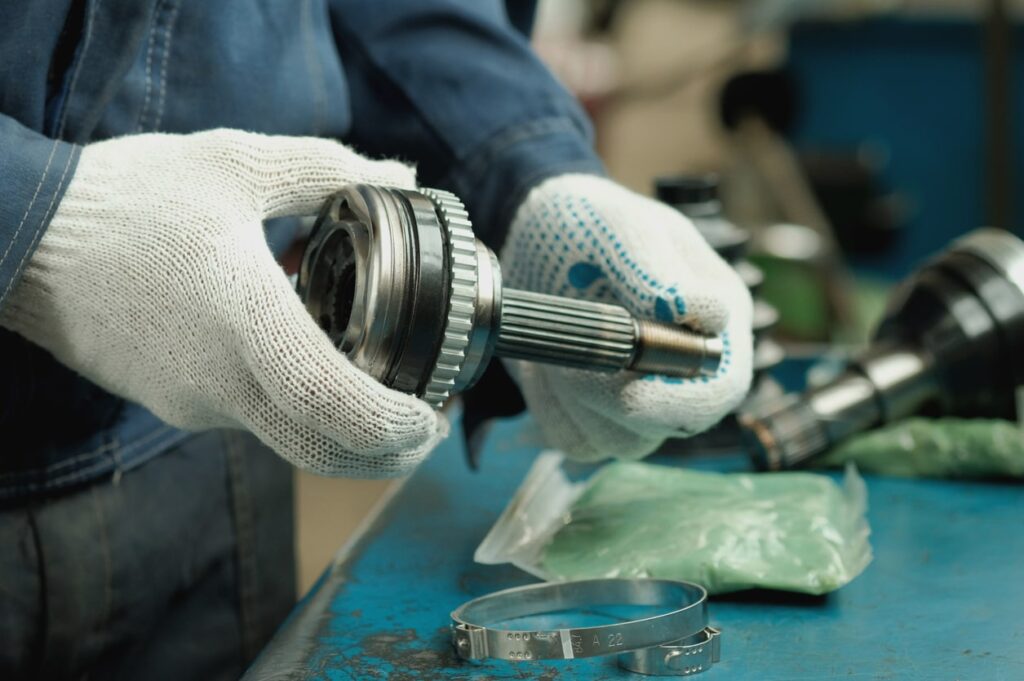
Several issues can affect the performance of a driveshaft, with vibrations being one of the most common. These vibrations are typically caused by imbalances in the driveshaft, worn-out universal joints (U-joints), or damaged bearings. If not addressed promptly, these seemingly minor issues can lead to significant damage, affecting the gearbox and other components connected to the drivetrain. A vibrating driveshaft also indicates that the power is not being transmitted efficiently, which can reduce fuel economy and make the driving experience less enjoyable. Another common problem is driveshaft noise, which can manifest as clunking, banging, or squeaking sounds, especially when shifting gears or accelerating. This is usually an indication of worn or faulty U-joints, loose mounting bolts, or a failing centre support bearing. Ignoring these noises can result in more severe issues, including the complete failure of the driveshaft while the vehicle is in motion. Additionally, driveshafts can suffer from bending or breaking under excessive load or stress. This is particularly prevalent in vehicles that carry heavy loads, off-road vehicles, or those used in high-performance applications. A bent or broken driveshaft will not only prevent the vehicle from operating but could also cause damage to the vehicle’s undercarriage or lead to a loss of control. Regular inspections and opting for high-quality, reinforced driveshafts are essential for preventing such failures.
How to Recognise a Faulty Driveshaft
Spotting the early signs of driveshaft failure can save you from more expensive repairs down the line and ensure your vehicle remains safe and roadworthy. One of the first symptoms to watch for is excessive vibrations or shuddering, especially at higher speeds. These vibrations may start as a minor annoyance but can quickly escalate into a more serious issue if not dealt with promptly. If you notice any vibrations that seem to come from the vehicle’s undercarriage, it is advisable to have your driveshaft inspected by a professional. Unusual noises, such as clunking or squeaking when accelerating or turning, are also common indicators of a faulty driveshaft. These sounds suggest that the U-joints or centre support bearings are failing and need immediate attention. Ignoring these noises can lead to more extensive damage to the driveshaft and the surrounding components. A more obvious sign is the presence of visible damage or wear on the driveshaft itself. While most drivers will not routinely inspect the underside of their vehicle, any noticeable bends, cracks, or missing components should be addressed immediately. A damaged driveshaft poses a significant risk and should be replaced or repaired as soon as possible.
Choosing the Right Driveshaft for Your Vehicle
Selecting the right driveshaft for your vehicle is crucial for achieving optimal performance and reliability. There are several factors to consider when choosing a driveshaft, including the type of vehicle, the intended use, and the specific requirements of the drivetrain. For instance, a standard steel driveshaft may be sufficient for a daily driver, but vehicles used for towing, off-road activities, or high-performance applications may benefit from reinforced aluminium or carbon fibre driveshafts. It is also essential to consider the length and diameter of the driveshaft, as well as the type of joints and bearings used. A driveshaft that is too long or too short can cause alignment issues, leading to vibrations and premature wear. Similarly, choosing the wrong type of U-joints can affect the flexibility and strength of the driveshaft, reducing its overall lifespan. Consulting with a specialist or referring to your vehicle’s manufacturer specifications can help ensure you choose a driveshaft that meets your needs.
The Benefits of a Sturdy Driveshaft
A sturdy driveshaft provides numerous benefits beyond just ensuring the smooth operation of your vehicle. It improves the overall driving experience by eliminating vibrations and ensuring that power is transmitted efficiently to the wheels. This results in better acceleration, smoother gear shifts, and a more comfortable ride. For vehicles used in demanding environments, such as commercial vans or off-road vehicles, a sturdy driveshaft can also enhance durability and reduce the frequency of repairs. Investing in a high-quality driveshaft can also increase the resale value of your vehicle. Potential buyers are more likely to be attracted to a vehicle with a well-maintained drivetrain, as it indicates that the vehicle has been cared for and is less likely to experience issues in the future. Additionally, a sturdy driveshaft contributes to better fuel efficiency, as it reduces the strain on the engine and transmission, allowing them to operate more efficiently.

Maintenance Tips for Prolonging Driveshaft Life
Regular maintenance is key to ensuring the longevity and performance of your driveshaft. This includes routine inspections to check for any signs of wear, damage, or misalignment. During these inspections, it is essential to examine the U-joints, centre support bearing, and any other connecting components for wear and lubrication. Proper lubrication of the U-joints can prevent premature wear and reduce the risk of failure, especially in vehicles that operate under heavy loads or in harsh conditions. It is also advisable to have the driveshaft balanced periodically. An imbalanced driveshaft can cause vibrations, leading to uneven wear on the transmission and differential. Balancing the driveshaft ensures that it rotates smoothly, reducing the risk of damage to other drivetrain components.
When to Replace a Driveshaft
Knowing when to replace a driveshaft can be challenging, especially since many issues develop gradually over time. However, if you notice persistent vibrations, unusual noises, or visible damage to the driveshaft, it is best to seek professional advice. Replacing a faulty driveshaft before it fails can save you from more expensive repairs and potential safety risks. Opting for a high-quality replacement is essential to ensure long-term reliability. It is worth considering aftermarket driveshafts that offer enhanced performance and durability, especially for vehicles used in demanding conditions. Always choose driveshafts from reputable manufacturers or suppliers that offer warranties and support to guarantee the quality and compatibility of the components.
Contact The Experts at Driveshaft UK
A sturdy driveshaft is more than just a mechanical component in your vehicle—it is a critical element that ensures safety, performance, and efficiency. Investing in a high-quality driveshaft and maintaining it through regular inspections and proper care can prevent costly repairs and enhance your driving experience. Whether you are looking to replace a worn-out driveshaft or upgrade your vehicle’s drivetrain, understanding the importance of a sturdy driveshaft can help you make informed decisions that benefit your vehicle in the long run. Prioritising quality and durability when selecting driveshaft components will ultimately lead to a safer, more reliable, and enjoyable driving experience. Get in touch with the driveshaft experts at Driveshaft UK today.